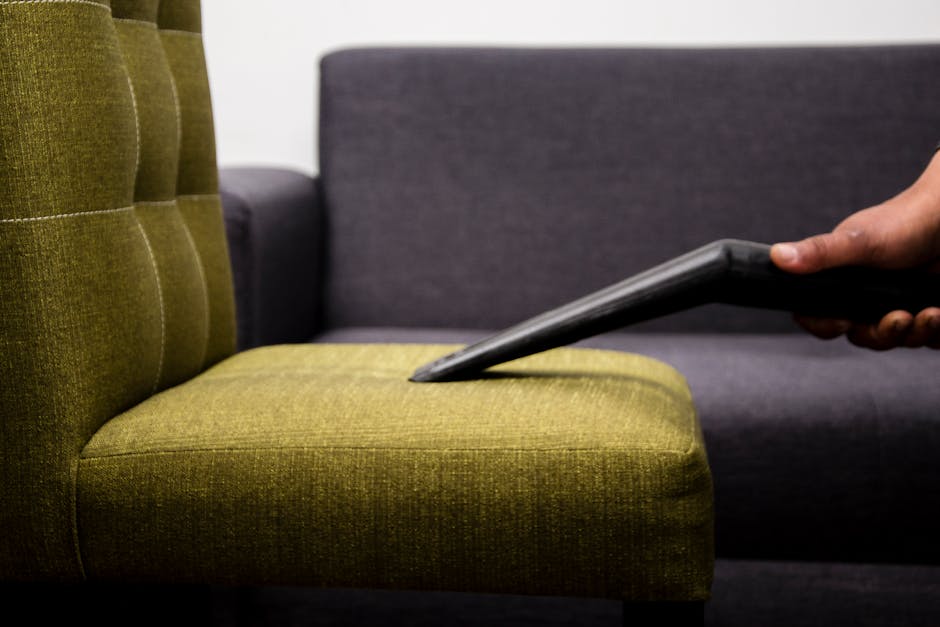
Penge East station upholstery cleaning tips
If you live or work around Penge East station, upholstery can take more of a beating than people expect. Commuters sit down wet from drizzle, bags rub against armrests, coffee tips over on the way out the door, and pet hair seems to find every woven fibre in sight. The good news? With the right approach, upholstery cleaning does not need to be stressful or expensive. These Penge East station upholstery cleaning tips are designed to help you protect your furniture, deal with everyday marks sensibly, and decide when a DIY clean is enough and when a professional clean makes more sense.
In this guide, you will get practical step-by-step advice, common mistakes to avoid, a simple checklist, and a realistic look at methods, tools, fabric risks, and best practice. No fluff. Just useful guidance you can actually use on a rainy Tuesday or a busy weekend when the sofa is quietly judging you.
Table of Contents
- Why Penge East station upholstery cleaning tips Matters
- How Penge East station upholstery cleaning tips Works
- Key Benefits and Practical Advantages
- Who This Is For and When It Makes Sense
- Step-by-Step Guidance
- Expert Tips for Better Results
- Common Mistakes to Avoid
- Tools, Resources and Recommendations
- Law, Compliance, Standards, or Best Practice
- Options, Methods, or Comparison Table
- Case Study or Real-World Example
- Practical Checklist
- Conclusion
- Frequently Asked Questions
Why Penge East station upholstery cleaning tips Matters
Upholstery around a busy transport hub picks up a different type of dirt from a low-traffic home. Near Penge East station, people often bring in more moisture, grit from pavements, and transfer stains from takeaway drinks, commuting clothes, and day-to-day family life. That mix can make fabric look tired much faster than the furniture itself is actually worn out.
Cleaning it properly matters for a few reasons. First, upholstery can hold onto body oils, dust, crumbs, and odours in a way that simple surface wiping does not solve. Second, once a stain settles deep into the fibres, a hasty spot clean can make it spread. Third, if you use the wrong product, you may flatten the pile, leave a tide mark, or damage the backing beneath the fabric. Bit annoying, really, because the original mess is often smaller than the repair job caused by panic.
There is also a comfort angle. A clean sofa or chair changes the feel of a room. It smells fresher, looks brighter, and tends to last longer. If you are maintaining a family home, a rented property, or a small business seating area, regular upholstery care is one of those quiet jobs that pays off more than people realise.
Expert summary: the smartest upholstery cleaning approach is usually the gentlest one that still removes the soil properly. Start with fabric identification, test first, clean from the outside of a mark inward, and dry thoroughly. That sequence prevents a lot of the common headaches.
How Penge East station upholstery cleaning tips Works
At its simplest, upholstery cleaning works by loosening and removing dirt without over-wetting the fabric or breaking down the fibres. The exact method depends on the material, construction, and level of soiling. A cotton-blend armchair with a surface stain needs a different approach from a synthetic sofa that has absorbed pet odour over time.
Most fabric upholstery cleaning follows the same broad logic:
- Identify the fabric type and care code if one is available.
- Remove dry debris such as dust, crumbs, and pet hair.
- Spot-test a cleaning solution in an unseen area.
- Apply the right amount of moisture so the stain lifts without soaking through.
- Agitate gently with a soft cloth, brush, or microfiber pad.
- Extract or blot away residue and dry the area fully.
The important bit is balance. Too little cleaning action and the mark remains. Too much water or detergent and the fibre may ring, stretch, or feel sticky afterward. You want clean, not clammy. There is a difference.
For some households, a light maintenance clean every few weeks is enough. For heavily used furniture near entryways, hall spaces, or shared seating, periodic deep cleaning may be needed. If you are comparing broader fabric care options, it can help to look at related services such as upholstery cleaning and, where relevant, sofa cleaning to see how the process is usually handled professionally.
Key Benefits and Practical Advantages
A good upholstery cleaning routine gives you more than a prettier sofa. It improves the everyday use of the room in ways that are easy to miss until they are gone.
- Better appearance: colours look fresher, and the furniture stops looking dull or patchy.
- Reduced odours: food smells, damp, pet odours, and stale indoor air are less likely to linger.
- Longer fabric life: dirt particles behave like fine abrasives, so removing them helps reduce wear.
- Improved comfort: a cleaned fabric surface feels nicer to sit on, especially in warm weather.
- Better hygiene: regular cleaning reduces the build-up of grime, crumbs, and everyday allergens.
- Stronger first impressions: useful for landlords, guest rooms, waiting areas, and home offices.
There is also a practical money-saving angle. Replacing a sofa or dining chair set can be costly, while careful maintenance may buy you years of extra use. In our experience, people often wait until the fabric looks visibly tired, then wish they had started earlier. That part is very human. We all do it with one thing or another.
If you are managing a property or shared seating area, pairing upholstery care with other textile cleaning can help keep standards consistent. A seasonal refresh might include carpet cleaning for flooring, or curtain cleaning if dust and soot have settled into nearby soft furnishings.
Who This Is For and When It Makes Sense
These tips are useful for a wide range of readers, not just people with one obvious stain to deal with. If you live near Penge East station and your home gets a lot of daily footfall, upholstery maintenance probably matters more than you think.
This guide is especially relevant if you are:
- a homeowner trying to maintain sofas, dining chairs, or an occasional armchair;
- a tenant wanting to keep a deposit-safe property in decent condition;
- a landlord or letting agent preparing a furnished rental between lets;
- a small business owner with waiting-room seating or office upholstery;
- someone dealing with pet hair, food spills, smoke odour, or muddy marks;
- planning a professional clean and trying to understand what to expect.
It makes sense to clean upholstery sooner rather than later if you notice dull patches, musty smells, visible rings, or a sticky feel after wiping. If the fabric still looks fairly even and the stain is fresh, you may be able to fix it with a careful home method. If the stain is old, dark, or oily, that is where the issue gets trickier.
One simple question helps: is this a surface mark, or has it become part of the fabric now? If you cannot answer that confidently, slow down and test first.
Step-by-Step Guidance
Here is a safe, practical process you can use for most everyday upholstery cleaning jobs. It is not flashy, but it works surprisingly well when done properly.
1. Check the care label
Before you touch the stain, find the manufacturer's cleaning code if there is one. Some fabrics tolerate water-based cleaning, while others need solvent-based care or specialist treatment. If the code is missing, assume the fabric is more delicate than you would like it to be.
2. Vacuum thoroughly
Use a vacuum with an upholstery attachment to remove dust, crumbs, pet hair, and loose debris. Pay attention to seams, piping, buttons, and the gap between cushions. A tidy surface gives you a better result and stops grit from being pushed deeper into the fabric.
3. Identify the stain type
Different stains behave differently. Water-based spills such as tea or squash are usually easier to tackle than grease, makeup, or food oils. Pet accidents need extra care because odour can linger even after the stain looks gone. If that is your issue, the process may overlap with pet stain odour removal.
4. Spot-test first
Dampen a hidden section with your chosen solution and wait for it to dry. Look for colour transfer, stiffening, shrinkage, or a fuzzy texture. If anything odd happens, stop. Seriously, stop. A slightly imperfect stain is better than a damaged panel.
5. Apply a gentle cleaning solution
Use a cloth rather than pouring liquid directly onto the fabric. Work from the outer edge of the stain inward to avoid spreading it. Blot first, then lightly agitate if needed. Do not scrub like you are cleaning a grill pan. That is how fibres distort.
6. Rinse lightly if appropriate
If the fabric allows water-based cleaning, use a second clean cloth with plain water to lift detergent residue. Residue can attract fresh dirt and leave the area feeling slightly tacky.
7. Dry properly
Blot with a dry towel, leave the room ventilated, and use airflow where safe to do so. Avoid sitting on the furniture until it is genuinely dry. Half-dry fabric is where smells and water marks like to set up camp.
8. Reassess after drying
Some stains only reveal their true appearance once dry. If a ring or shadow remains, repeat carefully or consider professional treatment rather than attacking it again immediately.
Expert Tips for Better Results
The difference between a decent clean and a proper one is often in the details. A few small habits can save a lot of bother.
- Work slowly around the edges of stains. The centre often lifts more easily than the perimeter.
- Use white cloths or plain microfiber. You do not want dye transfer from a bright tea towel making a new problem.
- Keep moisture controlled. Light, repeated applications are safer than one heavy soak.
- Brush in one direction only if the fabric has a nap. This helps avoid a patchy finish.
- Dry seams and tufts carefully. Hidden moisture is a common cause of odour later on.
- Tackle spills early. Fresh marks are much easier than old ones. That sounds obvious, but the number of people who leave it "until the weekend" is almost funny.
If you need a deeper refresh rather than spot treatment, a professional method such as steam carpet cleaning may be useful for nearby flooring, while specialist upholstery work remains the safer route for soft furnishings. Different materials, different jobs.
Another useful habit is to open windows while cleaning, especially in cooler months when indoor air gets a bit stale. Even a half-hour of fresh air can help the room feel more settled, and it supports drying. A small thing, but it helps.
Common Mistakes to Avoid
A lot of upholstery damage happens during well-intentioned cleaning. Not because people are careless, but because they are trying to fix the problem quickly. Fair enough. Still, a few errors come up again and again.
- Using too much water: this can leave rings, damp backing, or shrinkage.
- Scrubbing aggressively: it roughens fibres and can spread the stain.
- Skipping the spot test: one hidden patch is cheaper than replacing a cushion cover.
- Using random household products: bleach, strong degreasers, and fragranced sprays can create their own mess.
- Ignoring the fabric code: what works on a synthetic weave may ruin a natural fibre.
- Overloading with detergent: soap residue attracts dirt and may cause sticky patches.
- Drying too slowly: slow drying can encourage odours and mildew-like smells.
One mistake people often miss is mixing methods halfway through. For example, blotting a stain, then switching to a harsh cleaner, then blotting again with hot water. That kind of improvisation can push the stain deeper into the fabric. Pick one sensible method and give it time.
Tools, Resources and Recommendations
You do not need a huge kit to keep upholstery in decent condition. A few reliable tools go a long way.
| Tool or product | Why it helps | Best use |
|---|---|---|
| Vacuum with upholstery attachment | Removes dust, crumbs, and hair before they settle deeper | Routine maintenance and prep |
| Microfiber cloths | Absorbent and gentle on most fabrics | Blotting spills and light cleaning |
| Soft upholstery brush | Helps lift surface dirt without harsh abrasion | Dry soil removal and gentle agitation |
| White towels | Reduce the risk of colour transfer | Spot cleaning and drying |
| Mild fabric-safe cleaner | Targets everyday marks without overpowering the fabric | Fresh spills and light stains |
| Fan or open-window airflow | Speeds drying and helps reduce odour build-up | After any wet clean |
For more stubborn upholstery marks, a dedicated stain treatment may be more appropriate than a general cleaner. In that case, stain removal services or advice can be useful, especially where the mark has already set.
If your furniture is part of a wider home refresh, it may also be worth comparing care needs for other soft items like rug cleaning or even mattress cleaning. Keeping fabrics on the same maintenance cycle often makes the whole place feel cleaner, not just one chair.
Law, Compliance, Standards, or Best Practice
Upholstery cleaning is not usually a heavily regulated activity in the way some specialist trades are, but there are still sensible UK expectations around safety, product use, and honest service. If you are using a professional cleaner, best practice should include clear communication about fabric risks, safe working methods, and reasonable care to protect your property.
From a practical point of view, it is wise to look for:
- clear explanations of what can and cannot be cleaned safely;
- careful handling of electrical items, wooden frames, and delicate trims;
- transparent pricing and realistic expectations;
- public liability and other appropriate insurance;
- safe product handling and sensible ventilation during the job.
If you are hiring a company, check how they explain their standards and safety approach. Pages such as health and safety policy, insurance and safety, and terms and conditions are useful because they help you understand what level of care and process you can expect.
It is also sensible to review privacy and payment information before booking any service. Simple, transparent admin builds trust. A provider that is organised on the basics is often more careful on the cleaning too.
Options, Methods, or Comparison Table
Not every upholstery problem needs the same treatment. Here is a straightforward comparison to help you decide what sort of approach fits the job.
| Method | Best for | Pros | Limits |
|---|---|---|---|
| Dry vacuuming and brushing | Routine upkeep, dust, crumbs, hair | Safe, quick, low risk | Won't remove set stains or odours |
| Light spot cleaning | Fresh spills, small marks | Cost-effective and targeted | Can leave rings if overdone |
| Fabric-safe deeper clean | General soiling and dullness | Improves appearance and feel | Needs correct drying and testing |
| Professional upholstery cleaning | Delicate fabrics, stubborn stains, odours | More controlled and thorough | Usually costs more than DIY |
If you are unsure, a cautious approach wins. Start with dry cleaning, then spot clean, then move to deeper cleaning only when the fabric and stain type support it. That sequence is boring in the best possible way.
Case Study or Real-World Example
A typical local scenario goes like this: a family near Penge East station notices their light-coloured sofa has picked up dark marks along the seat edge and a faint stale smell after a wet winter. The sofa is used daily, often with school bags, coats, and the odd hot drink left near the arm. Nothing dramatic. Just normal life, really.
They start by vacuuming every seam and cushion gap, then check the care label. One side panel is tested with a mild cleaner and a white cloth. The stain lifts a little, but a ring begins to appear because the area was slightly over-wet. Rather than pushing on with more liquid, they stop, blot dry, and let the fabric fully air out overnight.
The next morning, the surface looks better, but not perfect. At that point, the homeowner decides not to keep experimenting. They book a professional clean, and the results are noticeably better because the cleaning can be controlled more carefully than at home. Not magic. Just the right method, the right tools, and a bit of patience.
The lesson is simple: do the easy maintenance yourself, but know where the line is. That line is often the difference between a tidy refresh and a repair bill.
Practical Checklist
Use this quick checklist before you clean any upholstered item near Penge East station or anywhere else.
- Check the fabric care label first.
- Vacuum all loose dirt, dust, and hair.
- Test any cleaner in an unseen area.
- Blot spills gently before adding more solution.
- Use minimal moisture.
- Work from the outside of the stain inward.
- Avoid scrubbing harshly.
- Rinse lightly if the fabric allows it.
- Dry thoroughly with airflow.
- Recheck once the fabric is fully dry.
- Stop if the colour shifts, fibres roughen, or the mark spreads.
If you can tick all of those off, you are usually in safe territory.
Conclusion
Good upholstery care near Penge East station is really about habits, not heroics. Vacuum regularly, deal with spills early, test before cleaning, and avoid flooding the fabric. That alone prevents a surprising number of problems. For deeper marks, old odours, or delicate fabrics, a professional clean is often the safer and more economical choice in the long run.
And if you are comparing services, looking at about us, pricing and quotes, and recycling and sustainability can help you choose with a bit more confidence. A good decision usually feels calmer, not rushed.
Get a free quote today and see how much you can save.
In the end, a well-kept sofa or chair does more than look tidy. It makes the whole room feel cared for, which is one of those small comforts that quietly matters.
Frequently Asked Questions
How often should I clean upholstery near Penge East station?
For most homes, light vacuuming weekly and a deeper clean every few months is a sensible rhythm. High-use furniture may need attention more often, especially if you have pets, children, or regular visitors. A quick refresh now and then prevents stains from settling in for the long haul.
Can I use carpet cleaner on upholstery?
Sometimes, but not automatically. Carpet products can be too wet or too strong for upholstery fabrics. Always check the care label and test first. If the item is delicate, a dedicated upholstery approach is usually safer.
What is the safest way to remove a fresh drink spill?
Blot with a clean white cloth straight away, working from the outside inward. Do not rub. Then use a small amount of fabric-safe cleaner if needed, followed by light drying. Fresh spills are much easier than old ones, so speed matters.
Why does a stain sometimes come back after cleaning?
That often happens when residue is left behind, moisture wicks upward as the fabric dries, or the stain was deeper than it first appeared. It is frustrating, yes, but not unusual. A second careful clean or a professional treatment may be needed.
How do I get rid of pet odour in fabric furniture?
Pet odour usually needs more than a surface wipe. You need to remove the source, clean the fibres properly, and dry thoroughly. If the smell is stubborn, specialist pet stain odour removal can be the better route.
Should I steam clean all upholstery?
No, because not every fabric tolerates moisture or heat well. Steam can help in the right situation, but it can also distort delicate fabrics. Check the label and be cautious if the item is made of natural fibres or has glued sections.
How can I tell if my sofa is safe to clean at home?
Look for the care code, test an unseen area, and consider the age and condition of the fabric. If the material is already faded, brittle, or uneven, home cleaning may be risky. In that case, professional advice is often worth it.
What is the biggest mistake people make with upholstery cleaning?
Using too much liquid and scrubbing too hard. Those two habits cause a surprising amount of damage. Gentle, controlled cleaning usually works better than an all-out attack.
Can upholstery cleaning remove old stains completely?
Sometimes yes, sometimes only partially. Old stains may have oxidised, bonded with fibres, or penetrated the backing. A professional can often improve them significantly, but no one should promise miracles without seeing the item first.
Is professional upholstery cleaning worth it?
If the fabric is valuable, the stain is stubborn, or the sofa is heavily used, then yes, it often is. You get a more controlled process, better stain assessment, and less risk of accidental damage. For everyday maintenance, DIY still has a place.
How long does upholstery take to dry after cleaning?
Drying time depends on the fabric, amount of moisture used, airflow, and room temperature. Light cleaning can dry fairly quickly, while deeper cleaning may take longer. Good ventilation helps a lot. Best not to sit on it too soon, tempting though that may be.
What should I ask before booking a cleaner?
Ask what fabric types they work with, how they test for colourfastness, what happens if a stain does not fully lift, and whether they carry appropriate insurance. Clear answers are a good sign. If the reply feels vague, keep looking.
Can I combine upholstery cleaning with other home cleaning jobs?
Yes, and it often makes sense. Many people combine upholstery care with carpet cleaning, rug cleaning, or other fabric care so the whole room feels refreshed at once. It can be more efficient too.