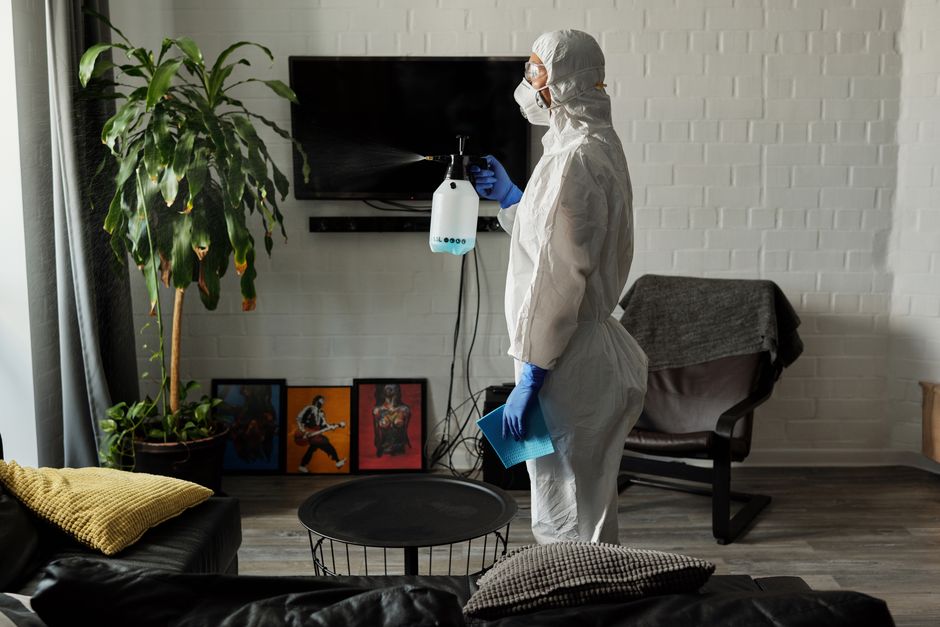
Sofa cleaning near Penge West station practical guide
If you are searching for Sofa cleaning near Penge West station practical guide, chances are your sofa is starting to look a bit tired, feel less fresh, or hold on to a smell that will not quite shift. That happens. In busy homes near a station, upholstery picks up everyday life fast: crumbs, pet hair, damp coats, coffee splashes, muddy shoes, and the odd mystery mark that seems to arrive out of nowhere.
This guide breaks the process down in plain English. You will learn how sofa cleaning works, what to expect from a professional visit, how to prepare your room, which methods suit different fabrics, and how to avoid costly mistakes. I will also cover practical checks for quality, safety, and value, so you can make a sensible decision without second-guessing yourself.
One thing first: a good sofa clean is not just about making fabric look brighter. It is about protecting the furniture you already own, keeping your home more comfortable, and avoiding that "we really should sort this out" feeling that lingers in the background. Let's get into it.
Why sofa cleaning near Penge West station matters
A sofa is one of those items you stop seeing properly until the stains, smells, or dull patches become impossible to ignore. Near Penge West station, homes often deal with a bit more in-and-out traffic than you might expect. Coats come off by the door, pets settle on the cushions, children climb over the arms, and lunch happens on the sofa more often than anyone likes to admit. Before long, dirt settles deep into the fibres.
That matters for a few reasons. First, appearance. A clean sofa instantly lifts the room, even if the rest of the house is doing its best impression of lived-in chaos. Second, hygiene. Fabric can trap dust, allergens, body oils, and odours. Third, durability. Regular upholstery care can help a sofa last longer, which is especially useful if you have bought a decent piece and would rather not replace it too soon.
There is also a practical side. Some stains become harder to remove when left alone, and some cleaning products can set a stain if used in a rush. In our experience, people often wait until a mark becomes a "proper problem." That is fair enough, but the earlier you address it, the better the outcome usually is.
If you are also looking after carpets or other soft furnishings at the same time, it can make sense to coordinate the job with professional upholstery cleaning or even broader home care such as carpet cleaning. The result feels more complete, not just tidier.
How sofa cleaning near Penge West station works
Professional sofa cleaning is usually straightforward, but it should never feel rushed. A proper visit begins with identifying the fabric type, the condition of the sofa, and any visible stains or areas of concern. That first inspection matters more than many people realise. A velvet sofa, a synthetic weave, and a natural fibre blend may all need different handling. Same room, same sofa shape, very different approach.
Most cleaners will look for tags or manufacturer guidance where possible. That helps them choose a method that suits the upholstery rather than forcing a one-size-fits-all process. Depending on the material, the service may involve hot water extraction, low-moisture cleaning, targeted stain treatment, or dry or semi-dry methods. You may also hear the term "pre-treatment," which simply means applying a suitable solution to loosen grime before the main clean.
The cleaning process itself often includes:
- dry vacuuming to remove loose debris
- spot treatment for stains and marked areas
- careful agitation or gentle brushing where suitable
- extraction or controlled cleaning to lift dirt from the fibres
- final deodorising or grooming if needed
Drying time depends on the material, the cleaning method, airflow, and room temperature. A synthetic sofa may dry relatively quickly, while a thicker or more absorbent fabric can take longer. That is normal. Truth be told, rushing drying is where people get into trouble, because damp upholstery can smell musty if it is not aired properly.
For readers who want a deeper look at the broader service, the dedicated sofa cleaning service page and the more general upholstery cleaning page are useful starting points.
Key benefits and practical advantages
The biggest benefit is obvious: your sofa looks and feels cleaner. But the real value goes beyond the "wow" factor when you walk into the room. A well-cleaned sofa can make the whole space feel calmer and less cluttered, even if the toys, shoes, and charging cables are still doing their thing in the background.
- Freshens the room: Fabrics can hold onto everyday odours from food, pets, and general use.
- Improves appearance: Dirt and traffic marks can dull colours and make the room feel older than it is.
- Supports better hygiene: Upholstery can trap dust and allergens, especially on heavily used seats.
- Protects your furniture: Regular care can reduce long-term wear.
- Helps with stain management: Targeted treatment can prevent small marks from becoming permanent reminders.
There is also a psychological benefit, which people do not talk about enough. Sitting on a clean sofa just feels better. You notice it when you put the kettle on, put your feet up, and the fabric smells clean rather than stale. Small thing. Important thing.
If pet smells or animal-related spots are part of the problem, it can be worth looking at pet stain and odour removal, because those issues often need a more specific treatment than a standard surface clean.
Who this is for and when it makes sense
This guide is for anyone near Penge West station who wants a sofa cleaned properly, whether that means a quick refresh or a full deep clean. It is especially relevant if your sofa sees daily use and has simply reached that point where vacuuming is not enough anymore.
It tends to make sense in these situations:
- you can see visible marks, drink rings, or food stains
- the sofa smells a bit stale, especially in warm weather
- you have pets or children, which usually means more wear and more surprises
- you are preparing to move home, host guests, or photograph the property
- the fabric looks dull, flattened, or slightly grey in high-traffic areas
- someone in the home has sensitivities and you want a cleaner environment
It is also useful if you have bought a second-hand sofa and want it properly refreshed before it becomes part of your living room routine. You would not wear someone else's shoes without checking them first, right? Same logic.
On the other hand, if the upholstery is badly damaged, splitting, or structurally worn, cleaning may improve the appearance but not fix the underlying issue. A good cleaner should be honest about that. You do not need sales fluff; you need a straight answer.
Step-by-step guidance
Here is a practical way to think about the process from start to finish. If you are booking a service, these are the steps worth following.
- Check the fabric type. Look for a care label if you can. If not, note the texture, colour, and any previous cleaning problems.
- Inspect the sofa carefully. Make a quick list of stains, smells, faded patches, and areas that get the most use.
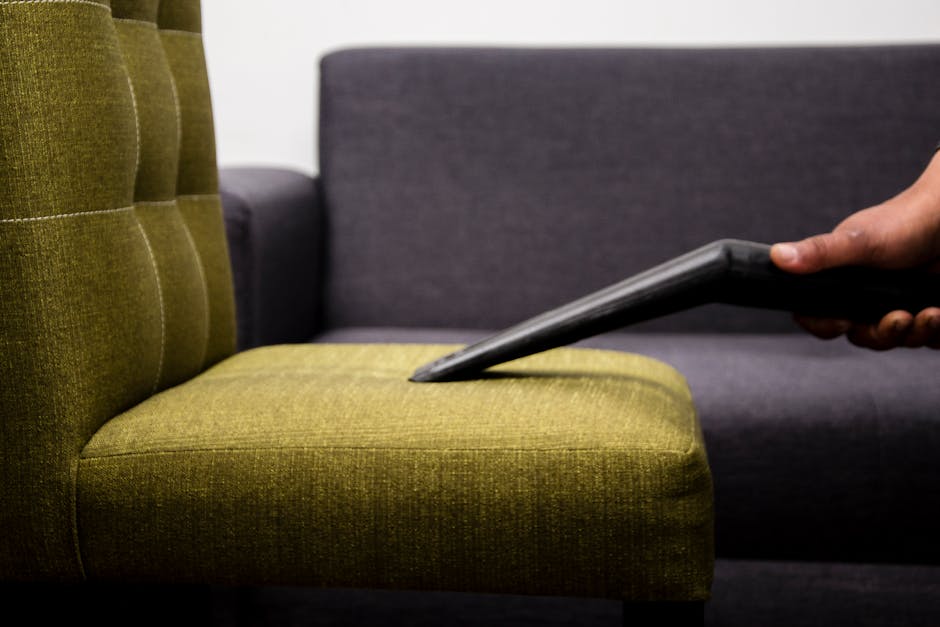
- Vacuum thoroughly. Remove crumbs, pet hair, lint, and loose dirt so the main clean can focus on embedded grime.
- Identify sensitive areas. Think about piping, buttons, wooden feet, loose stitching, or delicate trims.
- Choose a suitable method. Match the cleaning approach to the fabric and the condition of the sofa.
- Test first where needed. A discreet patch test helps reduce the risk of colour change or water marking.
- Pre-treat stains. Apply the right solution to targeted spots before the full clean.
- Clean methodically. Work section by section so nothing gets missed and moisture stays controlled.
- Allow proper drying. Keep the room ventilated and avoid heavy use until the fabric is dry to the touch.
- Review the result. Check for leftover marks, odour, or uneven drying before putting cushions back in place.
If you are cleaning the rest of the home too, pairing upholstery care with steam carpet cleaning can be efficient, although the best choice depends on the carpets and the sofa materials. Not every home needs the same bundle, which is a good thing.
Expert tips for better results
There are a few small things that consistently make sofa cleaning go better. None of them are glamorous. All of them matter.
1. Treat stains quickly, but carefully. The instinct is to scrub. Resist it. Blot first. Scrubbing pushes the stain deeper and can rough up the fabric. A white cloth is usually safer than a coloured one, because dyes from the cloth can transfer.
2. Airflow is your friend. Open windows where sensible, use fans if available, and avoid piling cushions back while the fabric is still damp. Clean air moving over the sofa is boring advice, but it works.
3. Be realistic about old marks. Some stains are stubborn. A professional clean can improve them significantly, but not every blemish vanishes completely. That is normal, not failure.
4. Match the method to the material. More delicate fabrics need gentler treatment. Heavy soaking is not always better; sometimes it is just wetter. And wetter is not the goal.
5. Ask about drying expectations. A trustworthy cleaner should explain how long the room may need to stay lightly used. If nobody mentions drying at all, that is a bit of a red flag.
6. Consider the whole room. If curtains, rugs, or mattresses are also due a refresh, it may be worth planning them together for convenience. For related care, you can look at curtain cleaning, rug cleaning, or mattress cleaning.
Expert summary: The best sofa clean is the one that suits the fabric, controls moisture, treats stains gently, and leaves the room properly aired. Simple, but not always simple to do well.
Common mistakes to avoid
Most upholstery mishaps happen because someone is trying to solve the problem quickly. Fair enough. Still, the quickest method is not always the safest.
- Using too much water: This can leave rings, lengthen drying time, or push dirt deeper into the fabric.
- Scrubbing a stain hard: That often damages fibres and spreads the mark.
- Skipping the patch test: Colour loss or texture changes can happen on sensitive fabrics.
- Using the wrong cleaner: Some household products are too harsh for upholstery.
- Ignoring the sofa structure: Loose stitching, weak seams, or worn arms may need attention before cleaning.
- Putting cushions back too early: Damp cushions can trap moisture and create a dull, musty smell.
- Assuming every sofa is the same: They are not. A linen blend, microfiber, and velvet do not behave the same way at all.
Another mistake is focusing only on the stain and ignoring the surrounding fabric. Often the stained area blends best when the whole panel is cleaned evenly. Otherwise you can end up with a patch that is technically clean but visually louder than before. Annoying, but fixable when handled properly.
Tools, resources and recommendations
You do not need a full van of equipment to keep a sofa in decent shape. A few sensible tools go a long way between professional cleans.
- Vacuum with upholstery attachment: Good for dust, crumbs, pet hair, and surface debris.
- Soft brush: Useful for lifting fibres gently after vacuuming.
- Clean microfibre cloths: Handy for blotting spills without adding lint.
- Fan or good ventilation: Helps speed up drying after any damp cleaning.
- Fabric-safe spot treatment: Only if it suits the material and you have tested it first.
For people comparing services and trying to understand value, the page on pricing and quotes is a useful place to start. It helps set expectations before you book, which is always better than guessing. Nobody likes surprise numbers at the end of a job.
You may also want to look at practical reassurance pages such as insurance and safety and health and safety policy, especially if you are inviting a cleaner into your home and want to know how they handle risk. For broader company background, about us is helpful too.
Law, compliance, standards and best practice
For household sofa cleaning, there usually is no dramatic legal hurdle, but there are still sensible standards to expect. A professional cleaner should work carefully, use products appropriately, and handle your property with respect. In the UK, that means clear communication, sensible risk control, and honest expectations around results.
If cleaning involves chemicals, hot equipment, or electrical tools, safe handling is part of basic good practice. You do not need a lecture, but you should expect the work to be done in a way that avoids unnecessary risk to your furniture, floors, and home environment. That includes checking fabric compatibility before applying any solution and being careful around delicate surfaces.
Privacy and payment matter too, especially if you are booking online. If you want to understand how information and transactions are handled, the site's privacy policy and payment and security pages are worth reading. It is a small thing, but it builds confidence.
Best practice also includes a fair complaints route if something goes wrong. You should never feel awkward about asking how issues are handled. A straightforward complaints procedure says a lot about how a business treats people when the day is not perfect. And let's face it, not every day is perfect.
Options, methods and comparison table
Different sofas need different approaches. The right method depends on the fabric, how dirty it is, how much drying time you can tolerate, and whether the sofa needs stain removal, deodorising, or a simple refresh.
| Method | Best for | Advantages | Things to watch |
|---|---|---|---|
| Vacuum-only maintenance | Light upkeep between cleans | Quick, cheap, good for crumbs and dust | Will not remove embedded dirt or stains |
| Spot cleaning | Fresh spills and isolated marks | Targets the problem area fast | Can spread stains or leave rings if done badly |
| Low-moisture upholstery cleaning | Delicate or moisture-sensitive fabrics | Reduced drying time, gentler on some materials | May be less effective on heavy soiling |
| Hot water extraction | Durable fabrics with deeper grime | Strong soil removal, often a thorough finish | Not suitable for every fabric type |
| Odour-focused treatment | Pet smells, lingering spills, general stale odour | Improves freshness, often alongside cleaning | Does not fix structural damage or deep saturation in all cases |
If you are unsure which route to take, think about the sofa first and the method second. That sounds obvious, but people often choose a cleaning method they have heard of rather than the one their fabric actually needs. Not the best plan, honestly.
Case study or real-world example
Here is a realistic example. A family near Penge West station has a three-seat fabric sofa in the living room. It gets daily use, one child eats snacks there, and the dog has decided the end cushion is officially his. Over time, the sofa starts to look patchy around the arms and has a faint odour after wet weather.
They do a proper vacuum first and notice the issue is not just surface dust. There are a couple of old drink marks, some pet hair trapped in the weave, and the main sitting area has gone flatter and darker than the rest. The cleaner inspects the fabric, checks for a care label, tests a small section, and selects a method that suits the upholstery rather than forcing a heavy soak.
After cleaning, the sofa looks brighter, the smell is noticeably fresher, and the room feels more comfortable. The family was not expecting a brand-new sofa, which is important. What they got was a better version of the sofa they already had. That is usually the real win.
The same household later decides to book a separate stain removal visit for a rug and an awkward mark near the coffee table. That sort of staged approach is often more practical than trying to fix every soft furnishing in one frantic afternoon.
Practical checklist
Use this before you book or carry out sofa cleaning. It keeps things simple.
- Check the sofa material and any care label.
- Photograph stains before cleaning, just in case.
- Vacuum the whole sofa, including under cushions.
- Move breakables, throws, and small items out of the way.
- Note any weak stitching, tears, or loose buttons.
- Ask how the fabric will be tested before cleaning.
- Confirm estimated drying time.
- Keep windows open or have airflow ready afterwards.
- Avoid sitting on the sofa until it is properly dry.
- Review the result in daylight if possible. Evening light hides a lot.
Quick takeaway: the best sofa cleaning near Penge West station is the one that respects your fabric, solves the real problem, and leaves the room usable again without drama.
Conclusion
Sofa cleaning near Penge West station is one of those jobs that feels small until it is done, and then suddenly the whole room makes more sense. The sofa looks better, the air feels fresher, and you stop noticing that same dark patch every time you sit down. Nice relief, really.
The key is to choose a method that suits the fabric, avoid the usual mistakes, and pay attention to drying and aftercare. If you want help from a local team, it is worth checking service information, safety details, and quote pages before booking so you know exactly what you are getting.
Get a free quote today and see how much you can save.
Sometimes the most satisfying home improvement is not a big renovation at all. Sometimes it is just bringing one well-used sofa back to life, and enjoying the room again.
Frequently Asked Questions
How often should a sofa be professionally cleaned?
It depends on use, fabric, and household habits. A busy family sofa, especially one with pets or children, often benefits from cleaning more regularly than a lightly used spare-room piece. If it starts looking dull or smelling stale, that is usually a good sign it is due.
Can all sofa fabrics be steam cleaned?
No, not every fabric is suitable for steam or hot water extraction. Delicate, moisture-sensitive, or specially finished upholstery may need a gentler approach. The safest answer is to identify the material first and choose the method around that.
How long does sofa cleaning take?
The actual cleaning time varies by size, fabric, and level of soiling. Drying time matters too, and that can be just as important as the cleaning itself. A cleaner should be able to give you a sensible estimate once they have seen the sofa.
Will sofa cleaning remove old stains?
Often it improves them, sometimes dramatically, but not every old stain can be removed completely. Factors like the type of stain, how long it has been there, and whether it was treated incorrectly earlier all affect the result. Old coffee on light fabric is a different story from a fresh spill.
Is sofa cleaning worth it for a second-hand sofa?
Yes, very often. A second-hand sofa can look and smell much better after a proper clean, making it more comfortable to use and easier to live with. It is a sensible step before the sofa becomes part of your daily routine.
What should I do before the cleaner arrives?
Vacuum the sofa if you can, remove clutter from the area, move delicate items away, and make a note of any stains or damage you want highlighted. If you have pets, it also helps to keep them out of the way during the visit. Less chaos, fewer interruptions.
Can sofa cleaning help with pet odours?
Yes, it often can, especially when the smell is in the fabric rather than from deep structural damage. Pet-related odours sometimes need targeted treatment, which is why a dedicated approach such as pet stain and odour removal can be more effective than a general clean alone.
Will my sofa be safe during cleaning?
A careful cleaner should inspect the material, test where necessary, and choose a method that suits the upholstery. You should also expect sensible handling of water, products, and equipment. If something feels rushed or unclear, ask questions before work begins.
How much does sofa cleaning cost near Penge West station?
Prices vary based on sofa size, fabric type, stain severity, and whether extra treatments are needed. It is better to request a tailored quote than assume a flat price will suit every job. The most useful starting point is the business's pricing information, because it sets expectations properly.
Can I clean a sofa myself instead of booking a professional?
Yes, for light maintenance and small fresh spills, basic home care can help. But deeper grime, persistent stains, and delicate fabrics are usually safer in professional hands. A quick DIY fix is fine if it is truly quick. If not, it can get messy in a hurry.
What if my sofa has loose stitching or worn fabric?
Cleaning may still be possible, but the cleaner should assess the condition first. Loose seams, fragile areas, or worn patches need care because aggressive cleaning can make weak spots worse. Honest advice is better than a polished promise.
Is there a difference between sofa cleaning and upholstery cleaning?
Sofa cleaning usually refers specifically to sofas and settees, while upholstery cleaning covers a broader range of fabric-covered furniture. In practice, the methods overlap a lot, but upholstery cleaning is the wider term and can include chairs, footstools, and other soft furnishings.